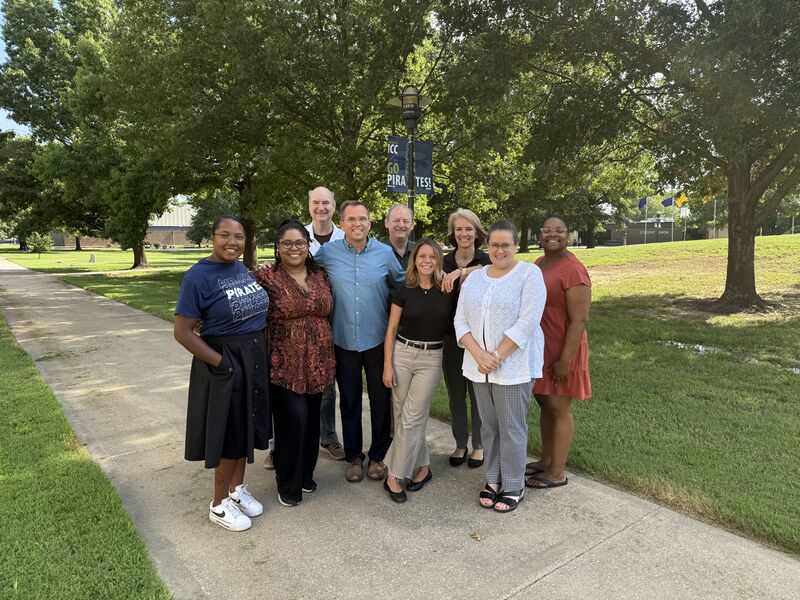
The RREDI group meets often—whether online or in person. Here, they take a break from brainstorming and collaboration at a July 2025 meeting at Independence Community College in Kansas.
Four rural institutions in the NSF EPIIC RREDI cohort are building innovation hubs to expand opportunity far beyond campus.
Members of EPIIC’s LIGHT UP project meet regularly to share progress and turn ideas into action. Here, the cohort pauses during the annual PI meeting in November 2025.
Partnership in Practice: Inside the LIGHT UP Cohort

Through EPIIC’s LIGHT UP project, six colleges across the Mid-Atlantic and Northeast are collaborating to translate shared priorities into applied learning opportunities, greater research impact, and deeper regional partnerships. Supported by 2023 funding, the group is developing tech-transfer pipelines, cybersecurity programs, and workforce initiatives while pooling resources and adapting implementation based on what works.
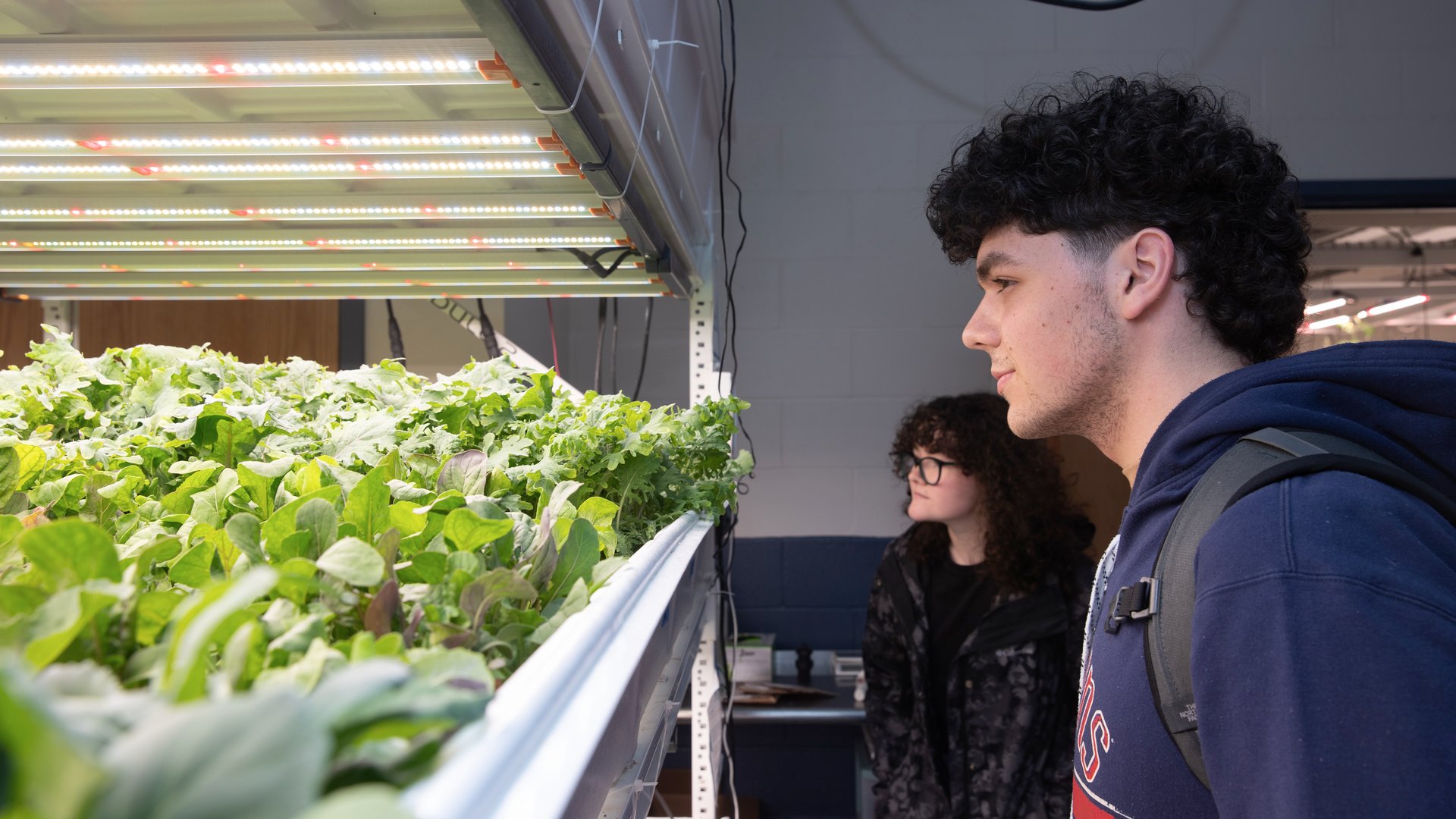
Students examine microgreens growing under LED lights in TCNJ’s Indoor Ag Lab in Armstrong Hall, a year-round hydroponics facility built with local partner GeoGreens. The space supports research on indoor agriculture while producing fresh food for the campus pantry and the surrounding community. Photo credit: Anthony DePrimo
Where Hydroponics Meets Higher Education

In the dead of winter, The College of New Jersey’s Indoor Ag Lab is still harvesting — growing fresh produce year-round in a tightly controlled, soil- and sunlight-free environment. Built with local hydroponics company GeoGreens, the lab doubles as a research hub that’s already producing about 150 pounds of fruits and vegetables each month, with plans to scale.
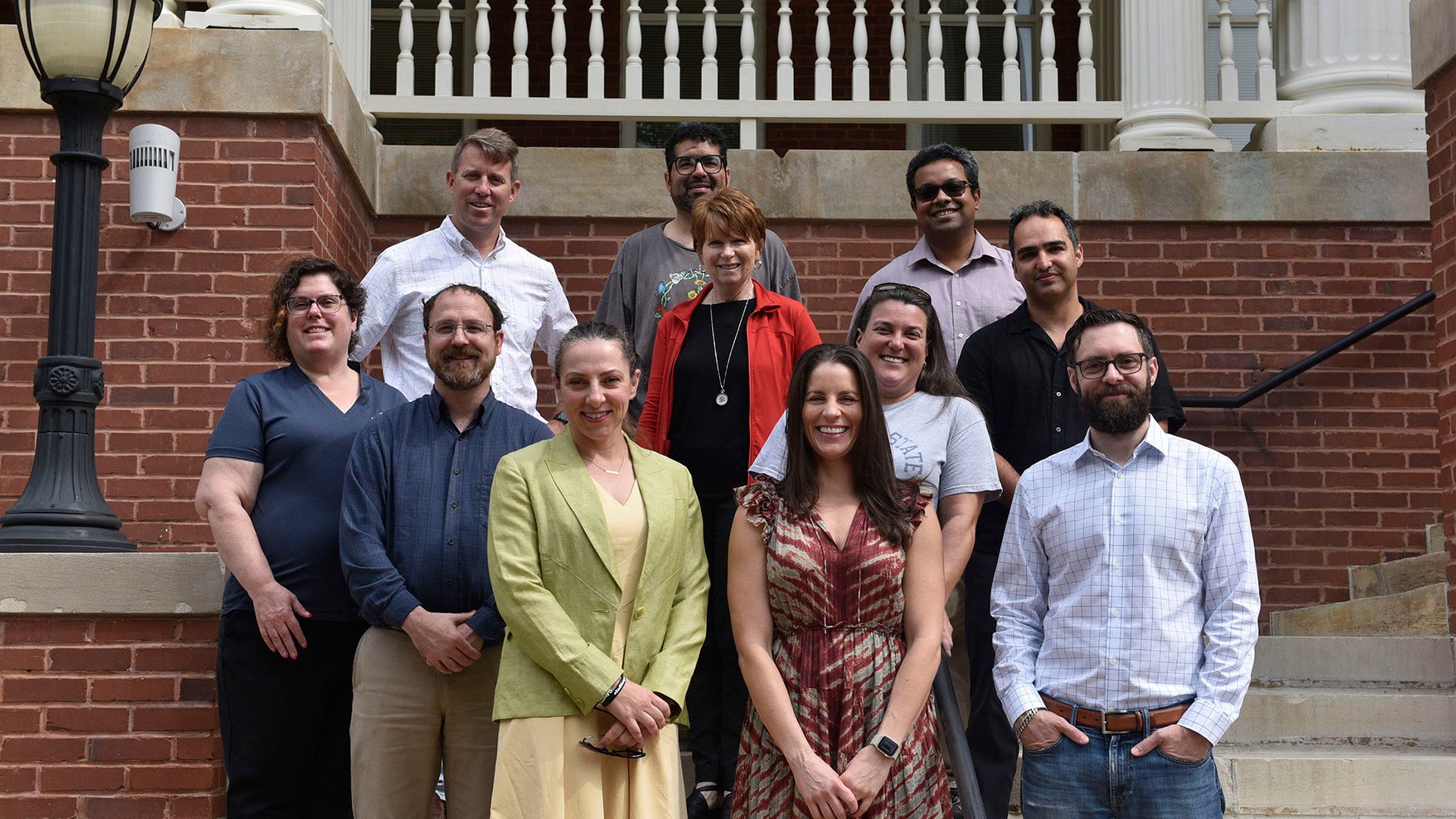
NSF EPIIC grant faculty fellows and investigators from GCSU, Southern Utah State University and Athens State University pause during a meeting at GCSU last year. Image credit: Kylie Rowe
Faculty-Led Curriculum Redesign Connects University Learning to Local Industry

Georgia College & State University is using its EPIIC FUTURE award to build stronger rural industry partnerships by starting with the people who shape learning: faculty. Through trained faculty fellows, GCSU is redesigning courses so students take on real projects with local employers — expanding the hands-on, community-based model already central to the university’s GC Journeys Program.
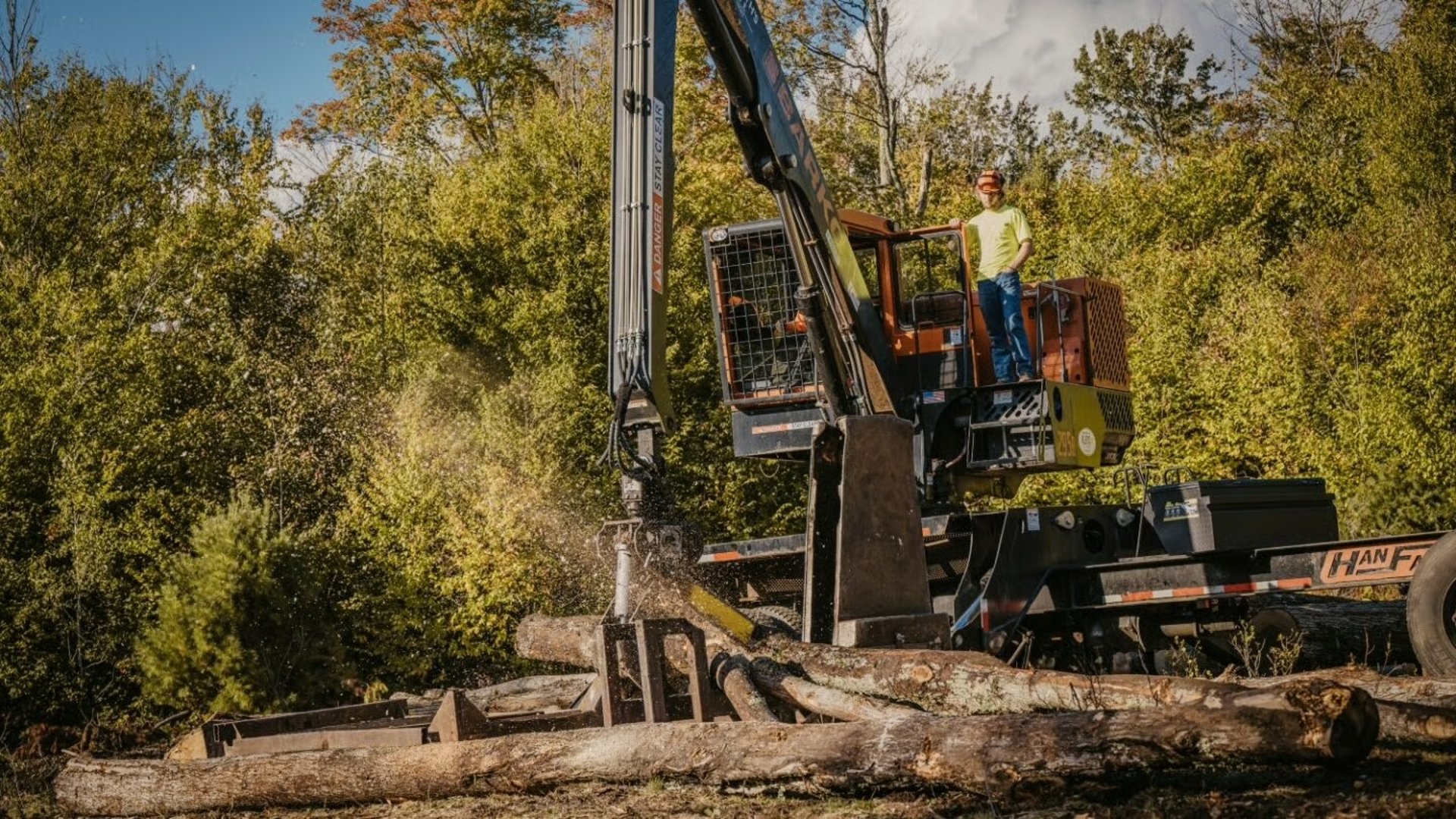
A forestry operator works with heavy equipment—exactly the kind of hands-on, safety-focused training Paul Smith’s College will expand through its new Troops to Timber (T2T) workforce initiative, funded by a $1 million NBRC Forest Economy Program grant. The program prepares veterans, military families, and other jobseekers for careers in forestry, logging, arboriculture, and forest management.
Troops to Timber: A New Workforce Pathway Rooted in Rural Impact

Paul Smith’s College is launching Troops to Timber, a new workforce program to train veterans, military families, and other jobseekers for skilled careers in forestry and related fields. Through expanded coursework, equipment, safety certifications, and hands-on employer training, the program aims to translate experience into in-demand jobs while strengthening the North Country talent pipeline.