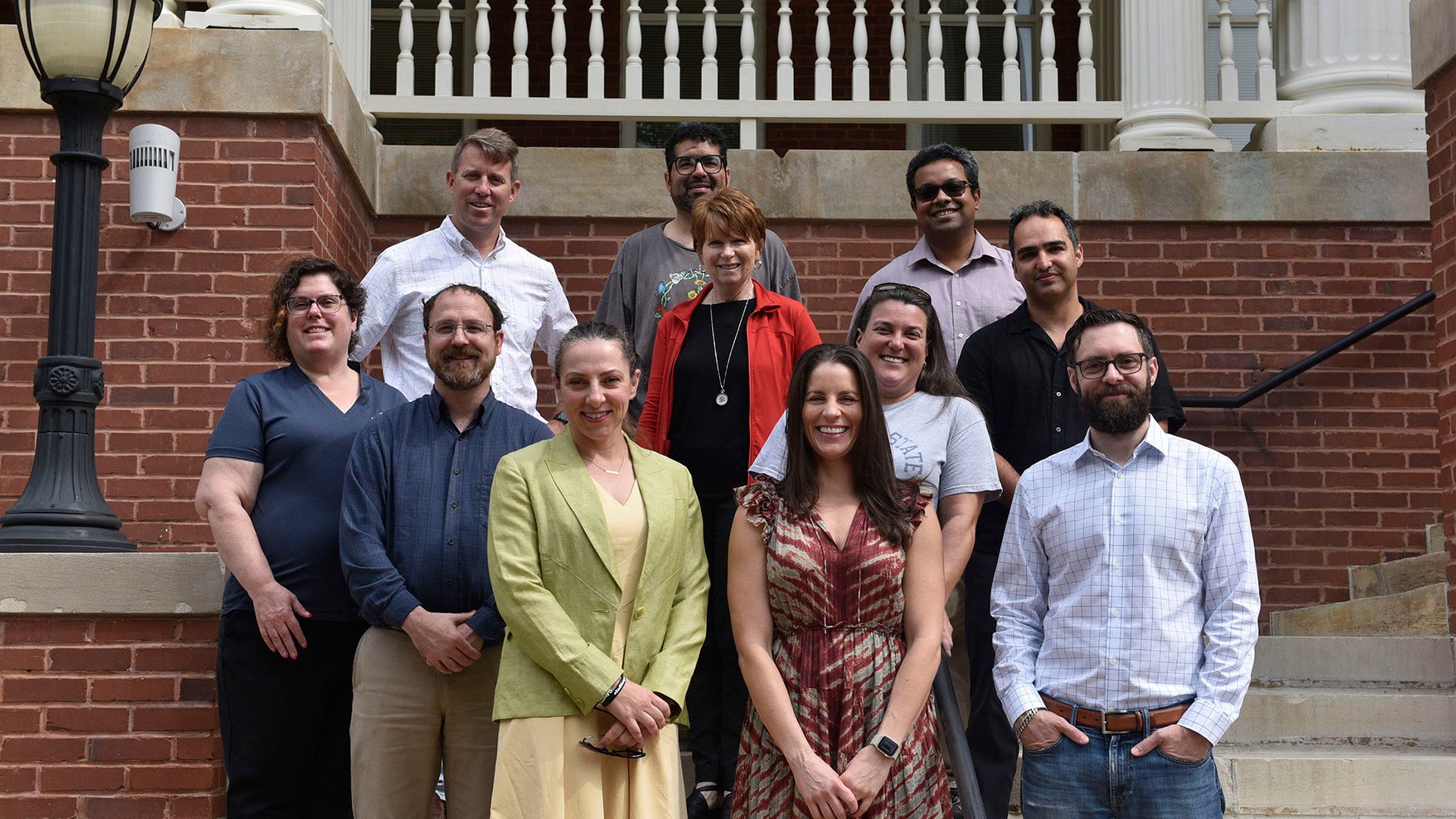
Georgia College & State University, part of the EPIIC award, Fostering Unity and Teamwork for Rural Excellence (FUTURE), began integrating its new industry-partnership work last year with a clear starting point: faculty training. Three faculty fellows — Ania Rynarzewska (marketing), Whitney Ginder (marketing) and Peter Rosado Flores (chemistry) — worked with colleagues to redesign curriculum so students can learn through applied experience with local industry partners.
That approach builds on what GCSU already treats as central to a liberal arts education: community-based engaged learning. It’s also one of the high-impact practices embedded in the university’s award-winning GC Journeys Program, positioning hands-on projects as a structured part of students’ academic pathways.
“This initial stage allows fellows to focus on the university’s commitment to supporting this expanded role,” said Nicholas Creel in a recent article about the EPIIC grant. “We want our faculty to have relationships with industry that translate into real-world projects and engagement, so our students have hands-on learning opportunities.”
Collaborating institutions — Southern Utah State University and Athens State University — see the same urgency. “The emphasis is on our institutions meeting the needs of our most developing industries in our state … it’s important that we’re listening,” said Jacob Bishop of Southern Utah State University. Rachel O’Sullivan of Athens State University added that rapid job growth is outpacing the local workforce — making industry-aligned skills essential for students’ next steps.